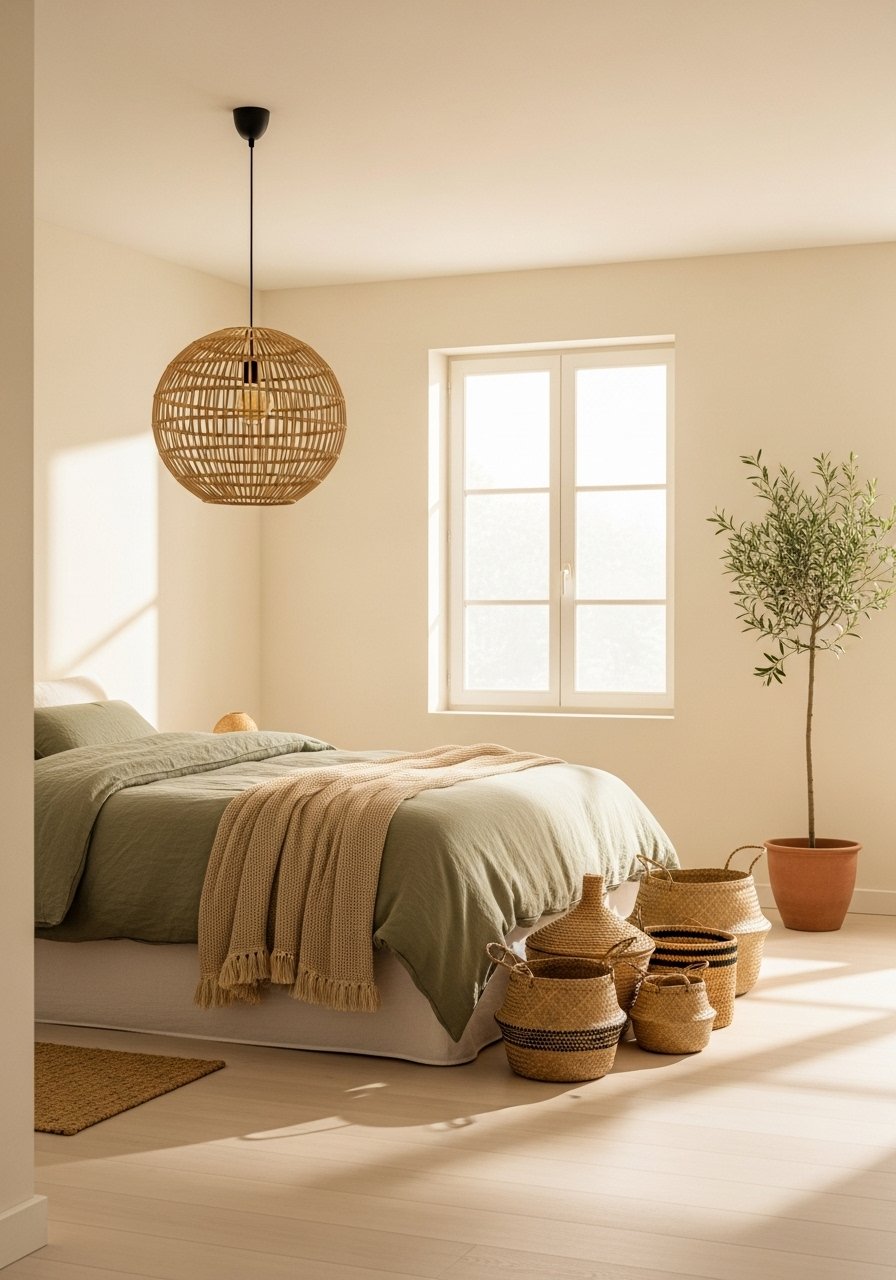
My bedroom used to feel cold and sterile. I had white walls and cheap bedding. It looked like a showroom, not a place to rest. I learned that a cream room bedroom needs layers, scale, and one warm wood tone. I spent about $350 and now the room feels like a calm retreat people actually want to nap in.
Quick context: This guide is for modern calm/modern-farmhouse mixes. Budget is about $250–$500 to start, or about $100–$200 for a simple refresh. Works best for bedrooms with at least one window. A current trend is warm neutrals with one muted color—sage or clay.
What You'll Need for This Look
Foundation pieces:
- 8×10 jute area rug in natural (~$120-180)
- Linen curtains white 96-inch panels, set of 2 (~$40-60 per panel; buy 2-4)
Textiles & layers:
- Linen duvet cover sage green queen (~$80-110)
- Chunky cable knit throw oatmeal 50×60 (~$40-60)
- Euro pillow inserts 26×26 set of 2 (~$35-45)
- Standard pillow inserts 20×26 set of 2 (~$25-35)
Lighting:
- Rattan pendant light 15-inch (~$60-90)
- Table lamp with linen shade, 18-inch (~$45-70)
Plants & storage:
- Artificial olive tree in cement pot 5 ft (~$80-110)
- Woven seagrass storage baskets set of 3 (~$35-55)
Accessories & finishing touches:
- Ceramic bedside tray 8-inch, cream (~$15-25)
- Graduated candlesticks set, matte white (~$25-40)
Budget-friendly swap:
- If real linen is out of budget, get linen-blend curtains white 96-inch (~$20-30 per panel)
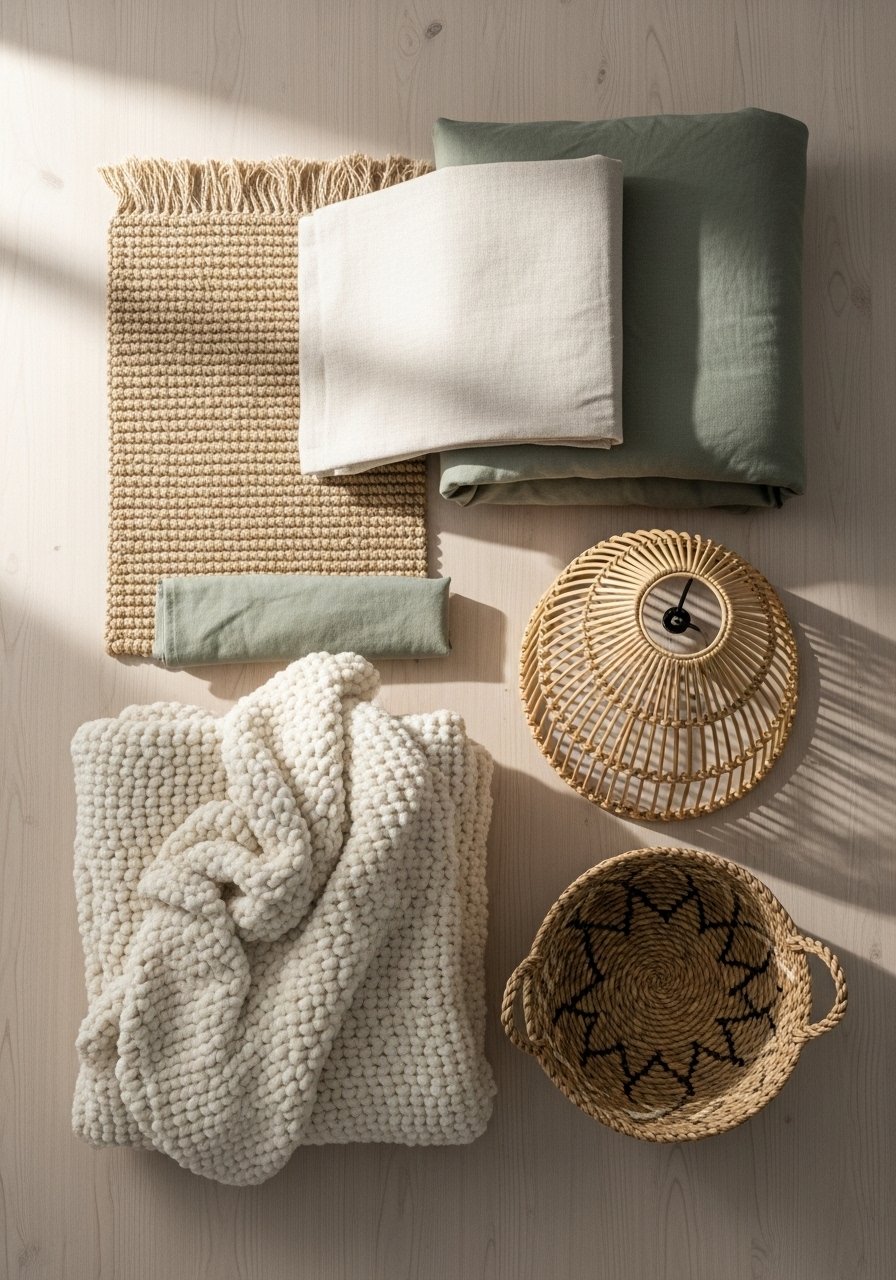
Start with the foundation: rug and curtains
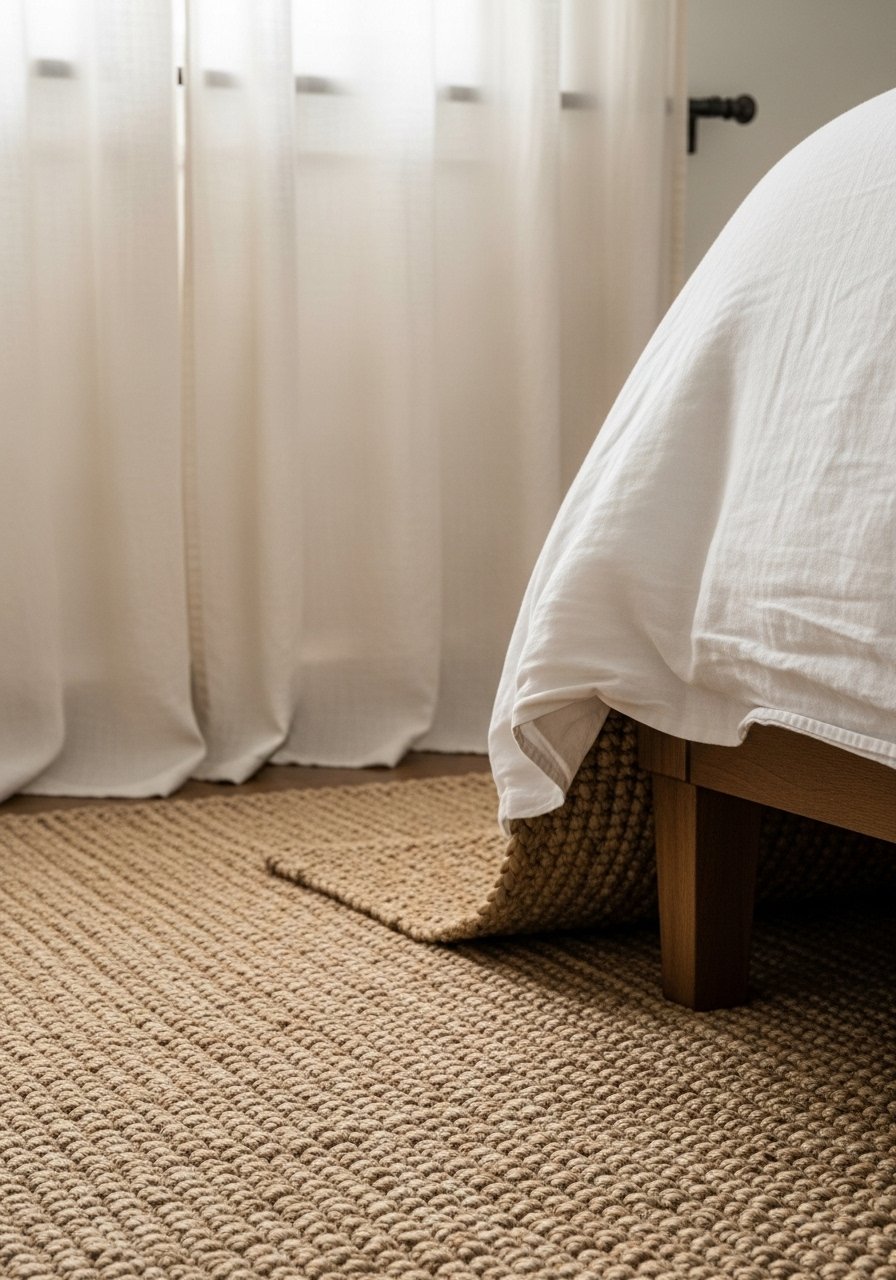
The rug and curtains define scale. I used an 8×10 jute rug in natural so the front legs of my nightstand and bed sit on it. That anchors the group. If your room is smaller, go 6×9 or push the rug under the bed by 18 inches.
For curtains, I hung white linen panels 96-inch two inches below the ceiling line. That draws the eye up and makes the ceiling feel taller. Let the panels just kiss the floor. The visual principle: establish a vertical rhythm and a warm base color so other layers can sing.
Common mistake: choosing a rug that's too small. If it doesn't touch furniture, the room looks chopped. Also avoid curtains that stop at the window frame. They make the wall feel cut in half.
Layer in softness with oversized textiles
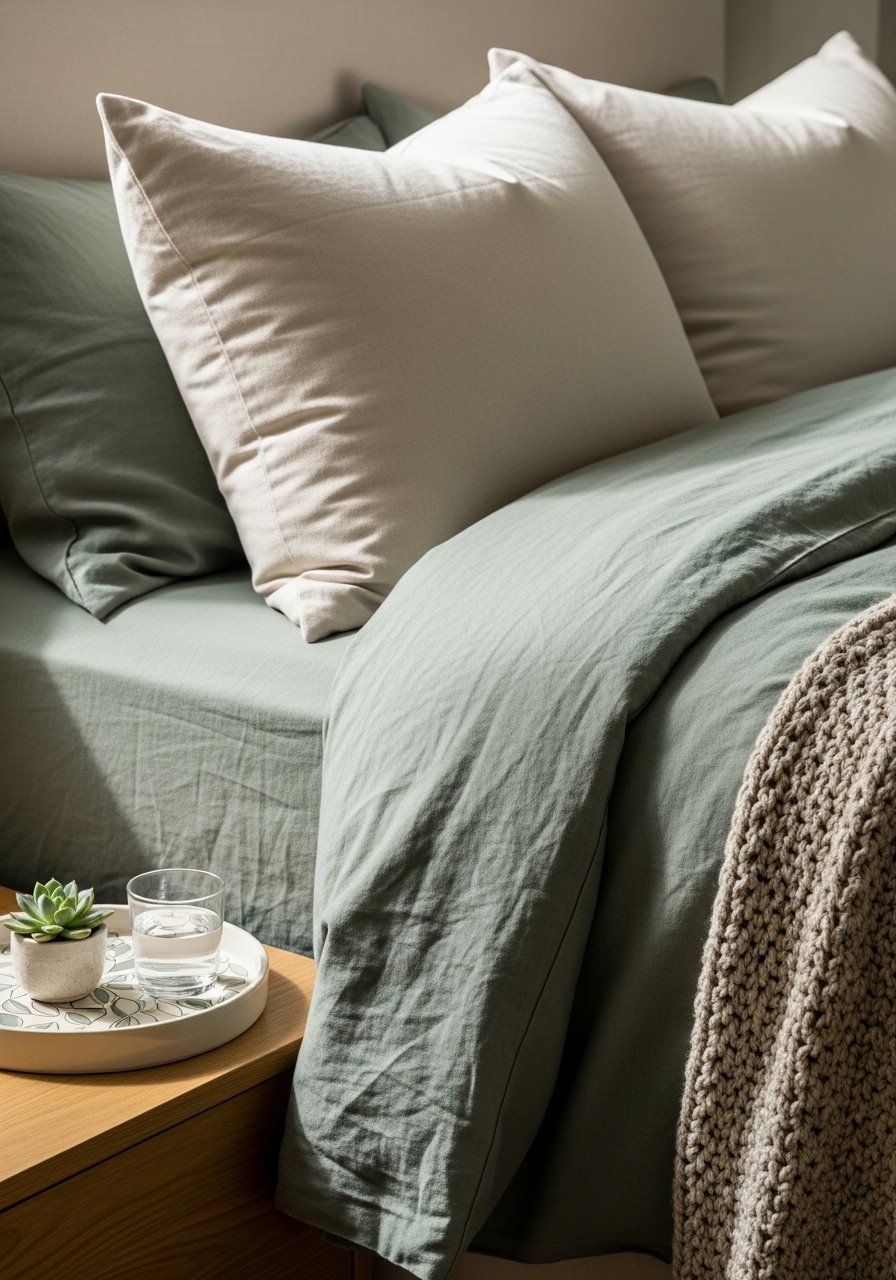
Bedding is where a cream room bedroom becomes restful. I swapped plain white sheets for a sage linen duvet cover, queen. The muted green reads as a tone, not a color pop. I add two 26×26 euro inserts at the back. In front I use two standard pillow inserts 20×26 with crisp covers.
Texture contrast matters. I fold a chunky cable knit throw oatmeal 50×60 at the foot of the bed. The rough jute rug, soft linen, and chunky knit together create depth. Rule of thumb: use one large pattern or color, two medium textures, and one small accent. I once kept everything white. It looked neat but flat. Adding the sage duvet fixed that.
Mistake to avoid here: stuffing every pillow with the same firmness. Mix soft and firm fills for relaxed shape.
Create ambiance with warm, diffused lighting
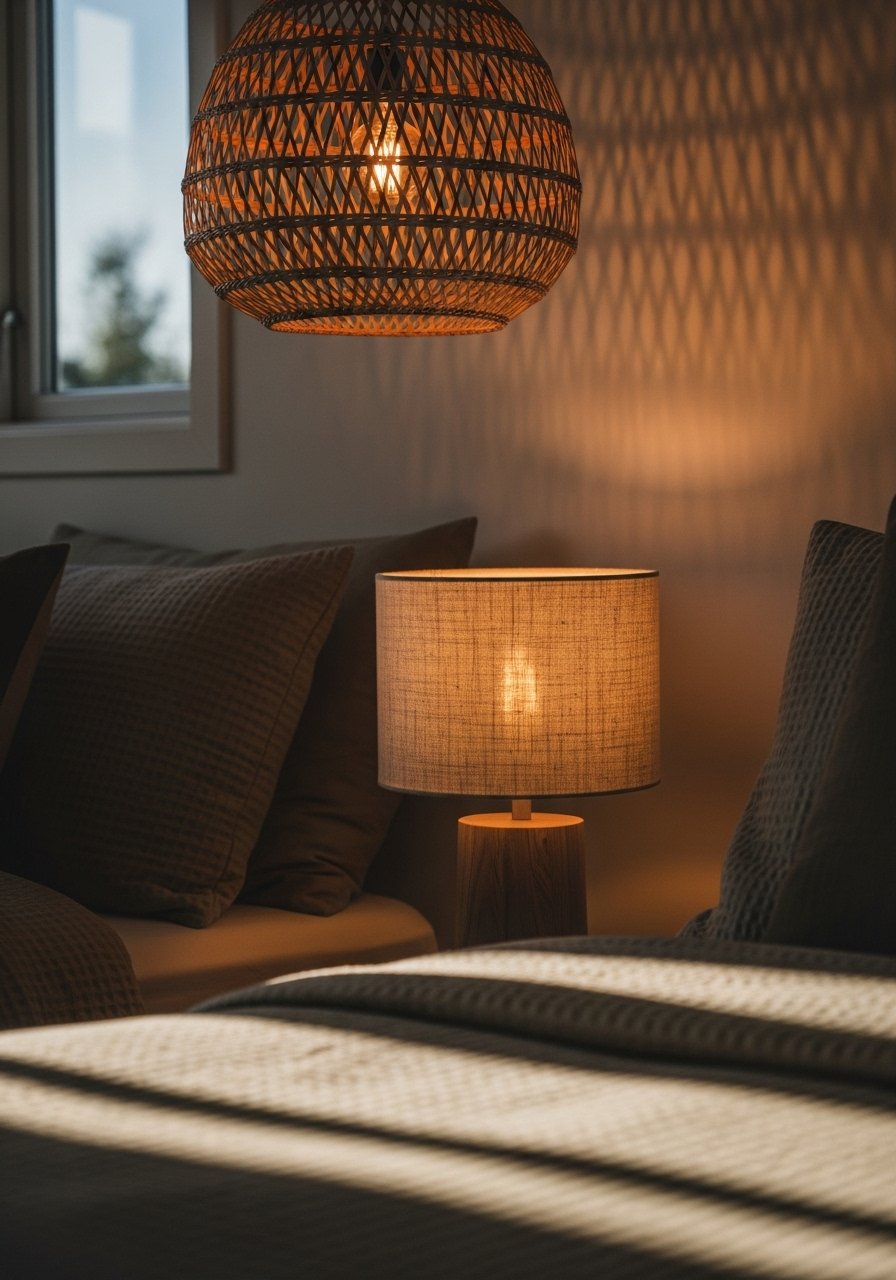
Layer light for mood. I hung a rattan pendant 15-inch centered over the bed for a soft overhead glow. Then I placed a table lamp with linen shade 18-inch on one nightstand. Use warm 2700K bulbs. The combination makes the cream tones feel warm, not yellow.
Placement tips: pendant at least 28–30 inches above the headboard. Lamp bases should be about eye level when sitting. Use dimmers or 3-way bulbs. I learned that a single bright ceiling fixture flattens texture. Layered lamps create pockets of light and invite relaxation.
Common Styling Mistakes to Avoid
Mistake: Buying too many small pillows
Why it doesn't work: The bed looks cluttered and fussy.
Do this instead: Use two euro pillows, two standard pillows, and one small lumbar. Replace with standard inserts set.
Mistake: Curtains hung at window frame
Why it doesn't work: It visually shortens the wall.
Do this instead: Mount rod near the ceiling. Adjustable curtain rod 48–86 inch works for many widths.
Mistake: Skimping on rug size
Why it doesn't work: Furniture floats and the layout feels disjointed.
Do this instead: Choose an 8×10 area rug for standard rooms so front legs sit on it.
Mistake: Using only real plants when light is poor
Why it doesn't work: Brown, sad leaves ruin the calm.
Do this instead: Use a realistic artificial olive tree 5 ft in low-light rooms.
Shopping Guide: Where to Find These Items
- For budget textiles on Amazon: check linen-blend duvet covers for under $50 vs. $80+ real linen.
- Splurge on the rug: a hand-woven jute lasts longer. See hand woven jute rug 8×10.
- Lighting matters: pick rattan or linen shades. Try this rattan pendant 15-inch.
- Faux plants that read real: realistic artificial fiddle leaf fig 5 ft keep the room alive without care.
Start small. Change the rug and curtains first. Those two swaps altered everything for me. I added the chunky throw later and it felt like a new room. Which piece will you start with: rug, curtains, or bedding?

